By bringing together multiple critical asset classes in 2024 – safety barriers, and the county’s cycle network – into the Confirm system, KCC created a unified platform for managing these assets. This centralisation enabled better decision-making, improved resource allocation, and reduced staff workload, all while enhancing the accuracy and reliability of the data used across various departments.
The benefits of this integration are far-reaching. From road safety analysis to work orders for infrastructure maintenance, KCC is now better equipped to handle asset management in a more streamlined and cost-effective way. The following is an in-depth look at the projects and the advantages gained by combining these assets into one single system.
Safety barrier asset management
An early critical step by KCC, toward consolidating its asset management, was the integration of its safety barrier data into Confirm. The safety barrier asset inventory – consisting of approximately 270 kilometres of barriers and around 1,900 individual assets – was transferred into Confirm in 2022. This transfer was motivated by concerns over future procurement issues and the need to manage safety barriers more effectively under a single system.
The safety barrier inventory in Confirm is highly detailed, with each asset divided into sections such as approach terminals, barrier beams, posts and departure terminals. The system holds around 30 attributes for each asset, including barrier type, length, post spacing, foundation type and ownership, along with condition data and information about retensioning, where applicable.
The integration of this data into Confirm led to several key efficiencies for KCC. First, the system allows the council to handle crash repair works more efficiently by linking specific repairs to inquiries and individual safety barrier assets. This helps KCC recover costs through claims, as the necessary data for recharges is readily available. Moreover, the dashboards created within Confirm enable KCC staff to monitor budgets, asset conditions and inspection schedules, ensuring compliance with safety regulations and improving the overall management of the county’s safety barriers.
Ryan Chantrill-Smith, Highways Systems Manager at Kent County Council, comments: “The consolidation of data into a single system paved the way for future time-saving efficiencies, especially as the data becomes further integrated into KCC’s workflows. Staff can now access detailed safety barrier information without needing to switch between multiple systems or manually verify data, improving the speed and accuracy of their work.”
Definitive Cycle Network Mapping
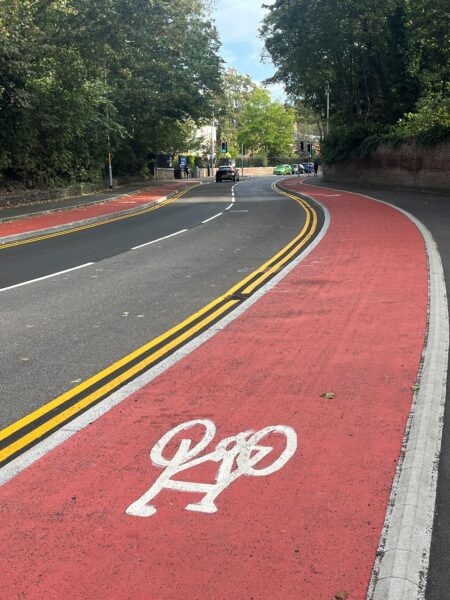
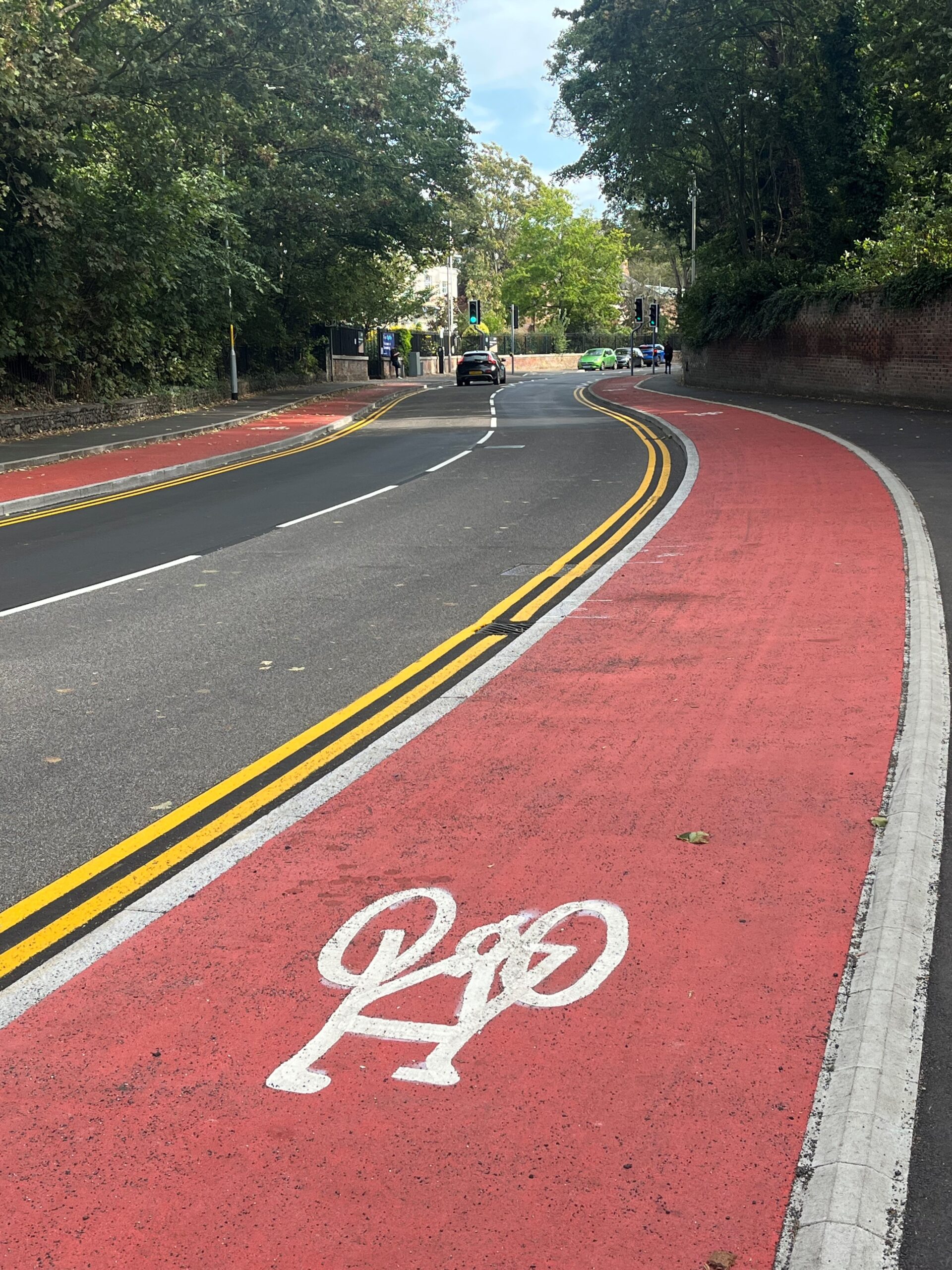
The second task involved updating KCC’s definitive cycle network map and integrating it into Confirm. The cycle network, consisting of 1,100 kilometres of routes, was previously managed using a variety of systems, and maintenance responsibilities were often unclear. By bringing this data into Confirm, KCC was able to create a comprehensive map that divides the cycle routes into five maintenance categories, such as those managed by KCC Highways, National Highways and private landowners.
This integration marked a significant improvement in how KCC manages its cycle network. For the first time, the council could accurately identify which party is responsible for maintaining each section of the network. This led to more effective budget and resource allocation, because KCC can now make decisions based on the exact length and character of the cycle routes. Additionally, the system has reduced the time required to respond to public inquiries, as staff no longer need to manually check maintenance responsibilities for each location.
Chantrill-Smith comments: “The benefits of integrating the cycle network data into Confirm go beyond operational efficiencies. The project has also facilitated better collaboration with stakeholders such as district councils, Sustrans (a national cycling charity) and private landowners. By having a definitive, up-to-date map of the cycle network, KCC can more easily identify missing links and plan for future expansions, which will ultimately improve the cycling infrastructure across Kent.”
Assets United: the benefits of system integration
By integrating safety barriers and the cycle network – into the Confirm system, KCC has achieved several overarching benefits:
- Operational Efficiency: Staff can now access critical data from a single platform, reducing the need for manual data checks and allowing for faster, more accurate decision-making.
- Improved Data Accuracy: Centralised, digitised data means that KCC can avoid the errors associated with outdated or incomplete information, leading to better outcomes in road safety, works ordering and infrastructure maintenance.
- Cost Savings: The consolidation of systems has eliminated subscription fees and laid the groundwork for further savings as the data becomes more integrated into KCC’s workflows.
- Enhanced Collaboration: The unified system makes it easier for KCC to work with external stakeholders, whether it’s recovering costs from crash repairs or coordinating with partners to improve cycling infrastructure.
- Future-Proofing: The integration of these asset classes into Confirm allows KCC to adapt more easily to future challenges, as the system can support new datasets and workflows, further enhancing its value over time.
KCC’s decision to centralise its asset management into Brightly Software’s Confirm asset management solution has led to significant improvements in efficiency, accuracy and collaboration, ensuring that the council is better equipped to manage its assets and, ultimately, to provide reliable and high quality services to the residents of Kent.