
TL;DR Sustainability, AI, changing regulations and connected packaging are reshaping the packaging industry. For B2B marketing teams promoting packaging technologies and solutions, communicating these developments clearly is becoming just as important as the innovations themselves.
FIVE PACKAGING TRENDS SHAPING THE INDUSTRY
Several trends are dominating the packaging industry as it continues to move at an increasingly fast pace. With sustainability targets on the increase, technological advances being made and legislation changing, expectations are changing across the supply chain – with consumer demands increasing, so packaging manufacturers, converters and brands are reconsidering where they invest and how they position themselves in the market.
For B2B marketing teams working within the packaging sector, keeping pace with these changes isn’t just about understanding the technology, but is about communicating innovation in a way that demonstrates value to customers, partners and wider stakeholders.
Here are five current trends we’re seeing shaping the packaging industry, with many of these also recently reflected at interpack 2026.
1. Sustainability remains a key priority
Sustainability is now a given within any conversation in relation to packaging and continues to influence material selection, product design, manufacturing processes and supply chains.
Lightweighting initiatives and circular economy solutions are helping to reduce environmental impact while meeting converter and consumer expectations, so brand owners are continuing to invest in recyclable and mono-material packaging.
Sustainability is increasingly becoming a clear part of business strategy for most organisations and they also need to communicate these developments clearly, as end consumers are now demanding greater visibility of what is being achieved. Brand owners should focus on demonstrating measurable progress, backing up their claims with proof points and explaining the practical benefits their innovations deliver.
2. AI and automation are transforming packaging
Artificial intelligence and automation are now key focuses within conversations across the packaging industry.
Manufacturers are using AI to improve production efficiency, automate quality control, predict maintenance requirements and optimise workflows. These technologies help reduce waste, increase productivity and improve consistency across the production process.
For B2B marketing teams in the packaging industry, the challenge is making these innovations meaningful to their target audiences. Rather than focusing on the technology itself, communications should explain the business outcomes it enables, whether that’s improved reliability, greater efficiency or more sustainable operations.
3. Regulation is driving innovation
Alongside customer expectations, legislation is becoming an increasingly important driver of change across the packaging sector.
The introduction of the Packaging and Packaging Waste Regulation (PPWR) is one key example of this. The regulation is encouraging packaging manufacturers, converters and brand owners to rethink packaging design, material choices and recyclability, while broader sustainability requirements are placing greater emphasis on transparency throughout the value chain.
While adapting to regulatory change can be challenging, packaging businesses also have an opportunity to clearly demonstrate leadership. Clear communications from packaging manufacturers help brand owners understand not only what has changed, but also how these developments support compliance as well as wider business goals and performance.
4. Brand differentiation
Packaging continues to play an increasingly important role in helping brands differentiate themselves, as the market continues to flood with new brands.
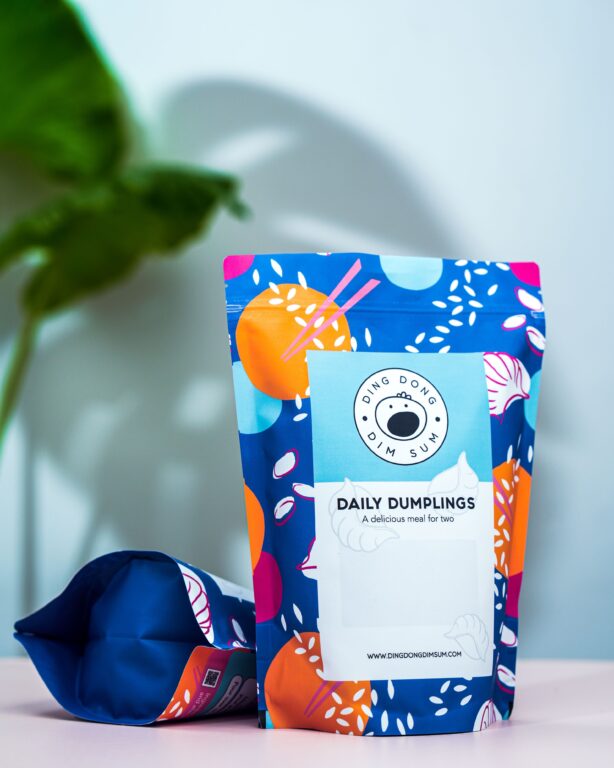
Advances in digital printing, embellishment technologies, speciality coatings and tactile finishes are making it possible to create premium packaging that delivers greater visual impact while maintaining production efficiency.
For brands, packaging has become more than a protective layer. It’s an extension of the customer experience.
B2B marketing teams have an important role in communicating how these innovations support brand identity, consumer engagement and commercial value, rather than focusing solely on the technical capabilities behind them.
5. Smart packaging is creating new opportunities
Packaging is becoming increasingly connected through technologies such as QR codes, NFC, RFID and Digital Product Passports. These innovations are allowing businesses to improve product traceability, share sustainability information, support authentication and create overall richer digital experiences for consumers via the packaging that extend to after a product purchase is made.
As connected packaging is now becoming more widely adopted, it presents an opportunity for packaging manufacturers and brands to demonstrate how these technologies add value throughout the customer journey.
What does this mean for B2B marketing teams?
The packaging industry is evolving rapidly, creating both new opportunities and new challenges across the value chain.
Packaging businesses that stand out will be those that combine technical expertise with clear, engaging communications. Whether launching a new product, responding to changing regulations or showcasing sustainability initiatives, effective storytelling helps turn innovation into commercial value.
Final thoughts
These changes within packaging present new opportunities alongside new challenges.
As evolving trends and opportunities continue to shape the sector, businesses that communicate their developments with clarity and credibility will be better placed to build trust, supporting long-term growth.
If you need support to communicate your brand messages more effectively, please get in touch. We’re here to help!